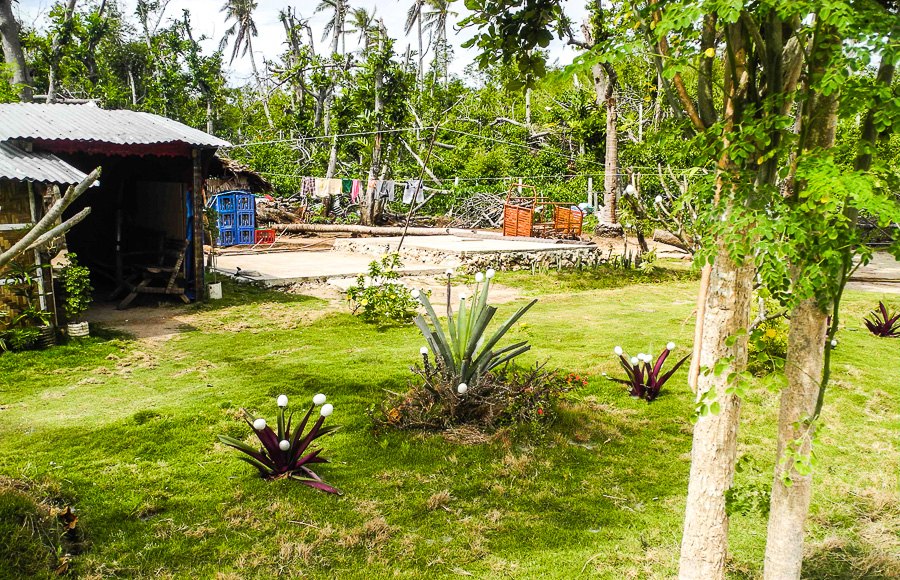
When we woke up, we could finally see our accommodation from the outside, had breakfast and set off for a walk around the island.
Our room was the one on the far left. The others stood empty for the first two days, then a couple moved in next door.
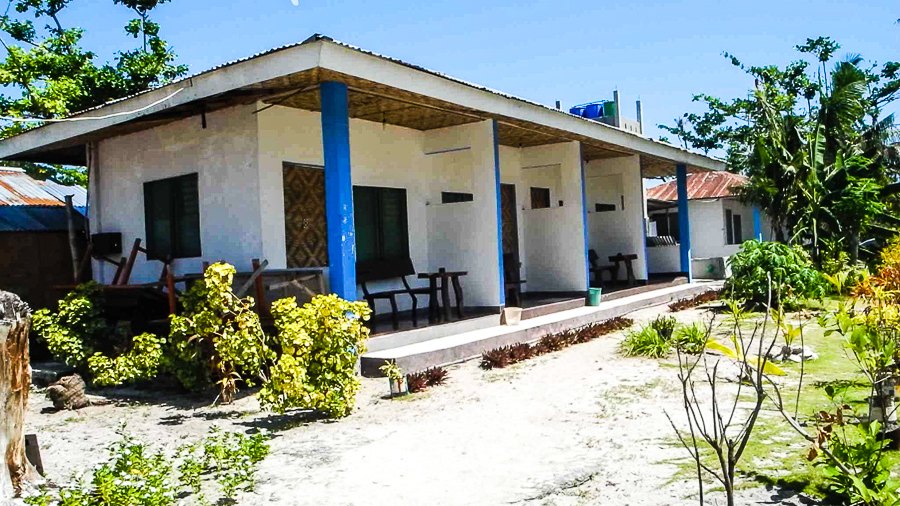 In the morning it became clear why nobody had invited us to reception to check in — there simply isn’t one!
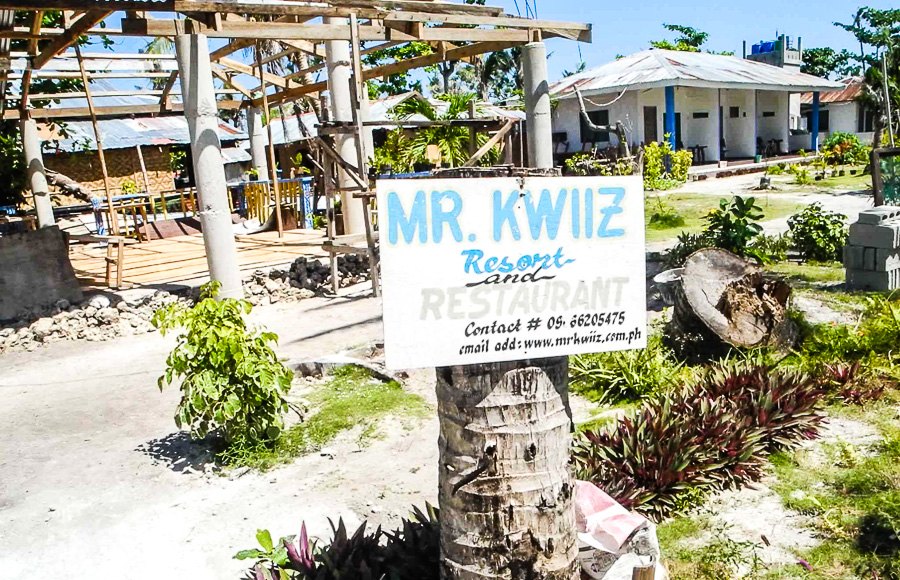
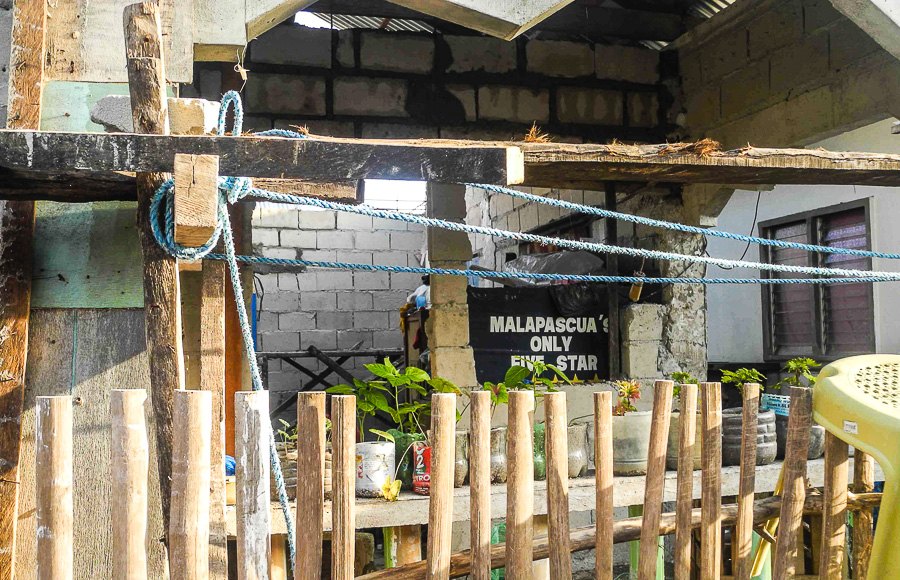
On the left of the photo is the frame of the reception building; the restaurant used to be there too, apparently.
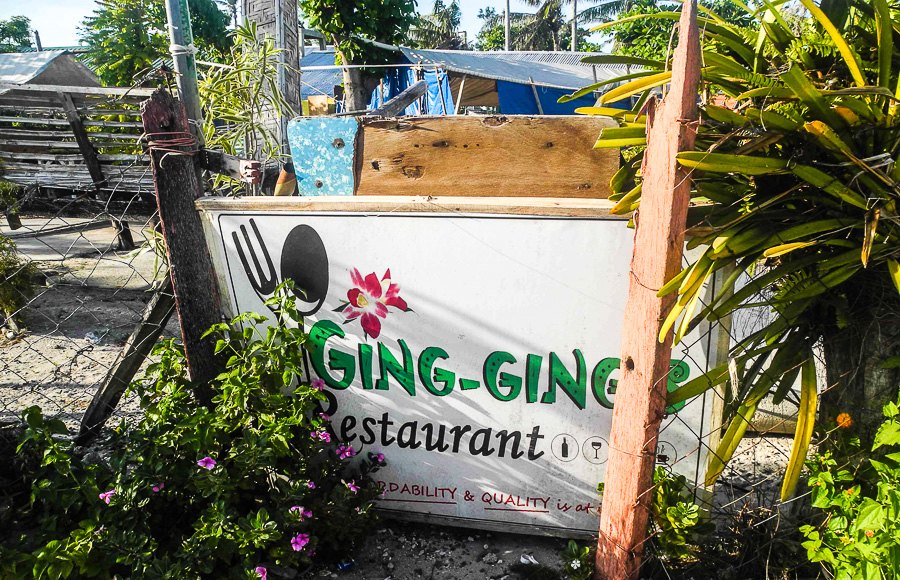
And that’s the sign — no wonder it took us so long to find the place; we would never have found it on our own.
 The room was nothing special, admittedly, but it was fine for sleeping — my room on Ko Chang had been much worse. At least here there was a decent bed and shelves for our things.
It was pricey for what it was, but there wasn’t much choice on the island back then, many hotels had been destroyed, and bungalows on the beachfront started at several times the price per night.
Now for the downsides of the hotel:
- The toilet/shower was partitioned off from the room by a wall that didn’t reach the ceiling; no door, just a curtain
- Only cold water
- No washbasin, which was inconvenient
- No table in the room, though there was a very handy table outside where you could work
- The windows had no mosquito nets — so many mosquitoes at night. Those mosquitoes were our undoing. Or rather, not ours but Vova’s. Even though we constantly burned mosquito coils and sprayed ourselves with repellent, they still bit us. And it later turned out that Vova had been bitten by a dengue-infected mosquito….
- But the most uncomfortable thing was the roosters right behind the wall. Let me tell you, it’s only in films and cartoons that roosters start crowing in the morning. In reality they crowed every two hours all night long, and got especially loud from 04:00, when the sun isn’t even up yet. And these weren’t distant crows — it felt as if they were crowing right there in the room.
The hotel is still there in 2026, under the name Mr. Kwiiz Lodging House and Restaurant.
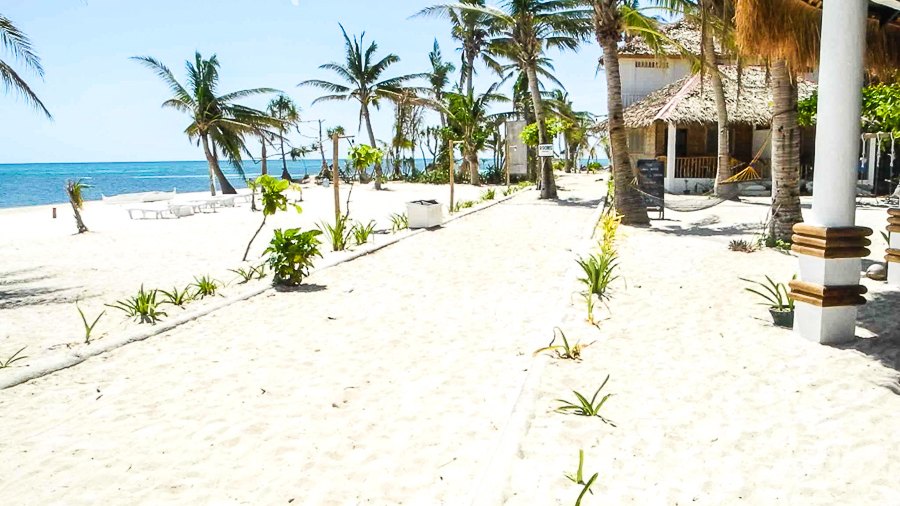
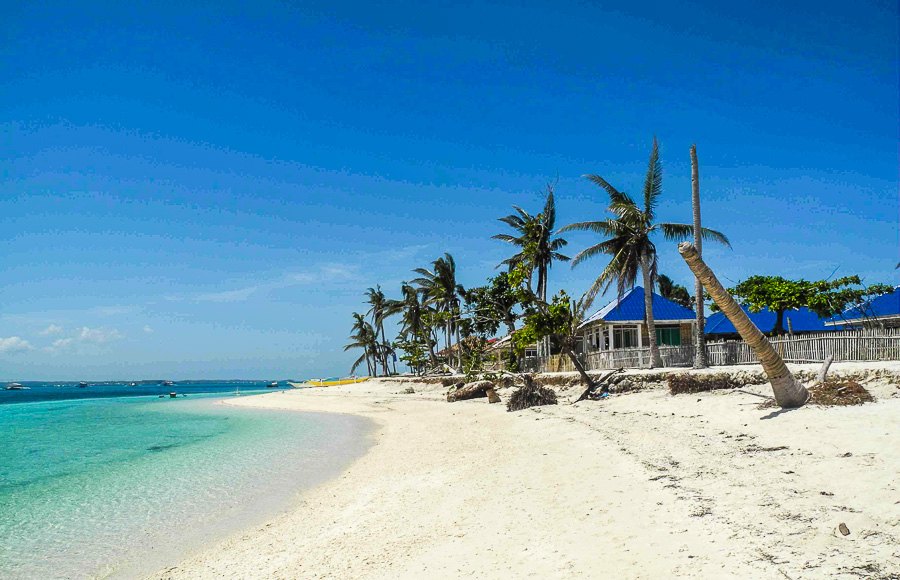
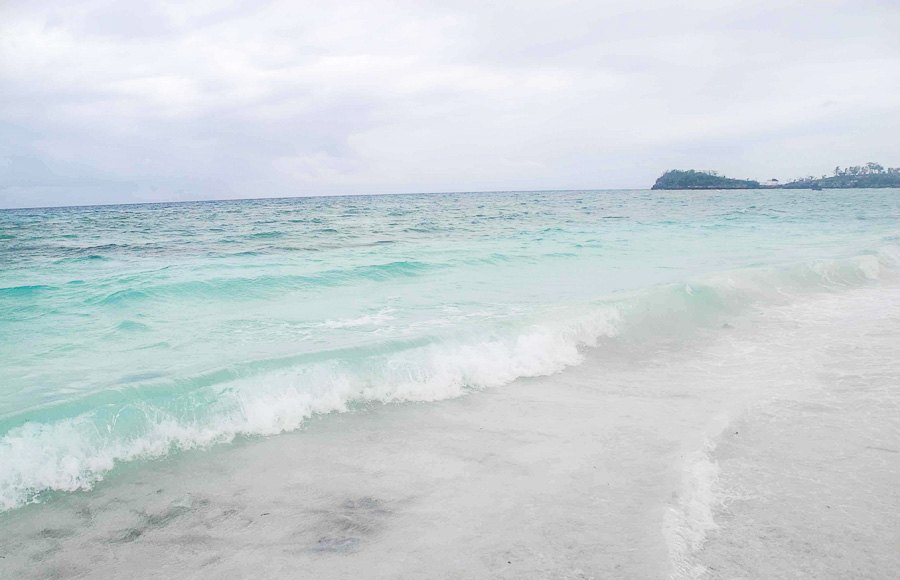
The hotel turned out to be very close to the sea, and the sand was simply snow-white!
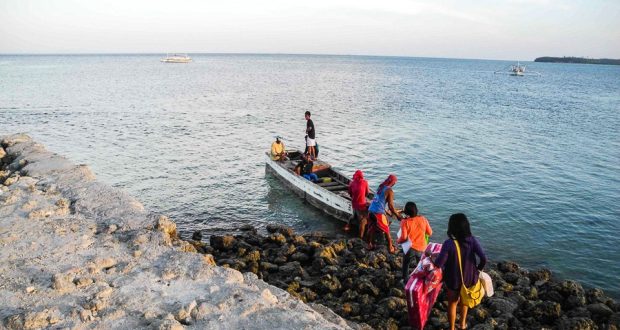
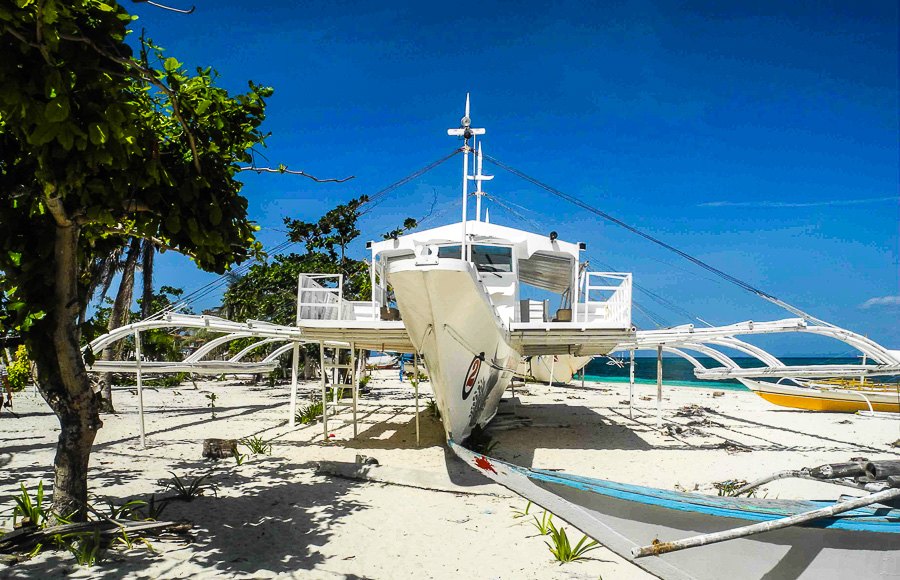
 And this is what the big boat we sailed to Malapascua on looks like
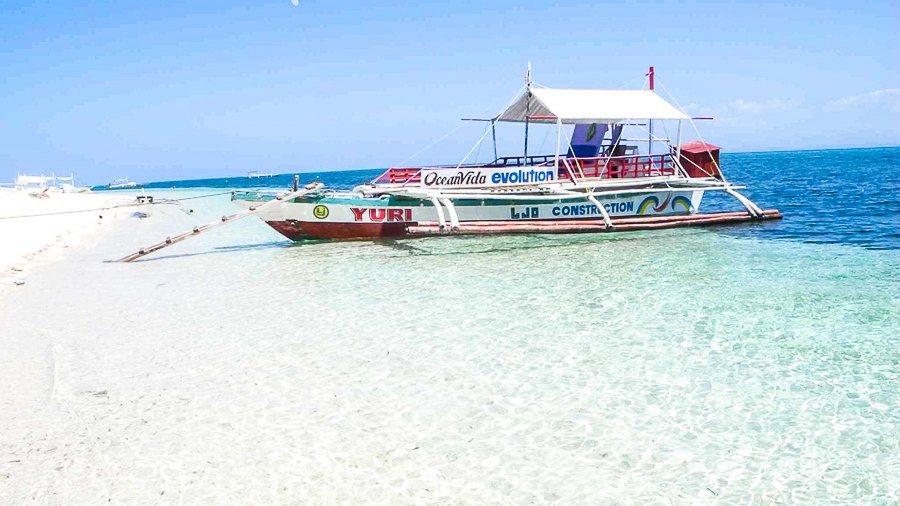
 The water was crystal clear — the result of the very small number of tourists:
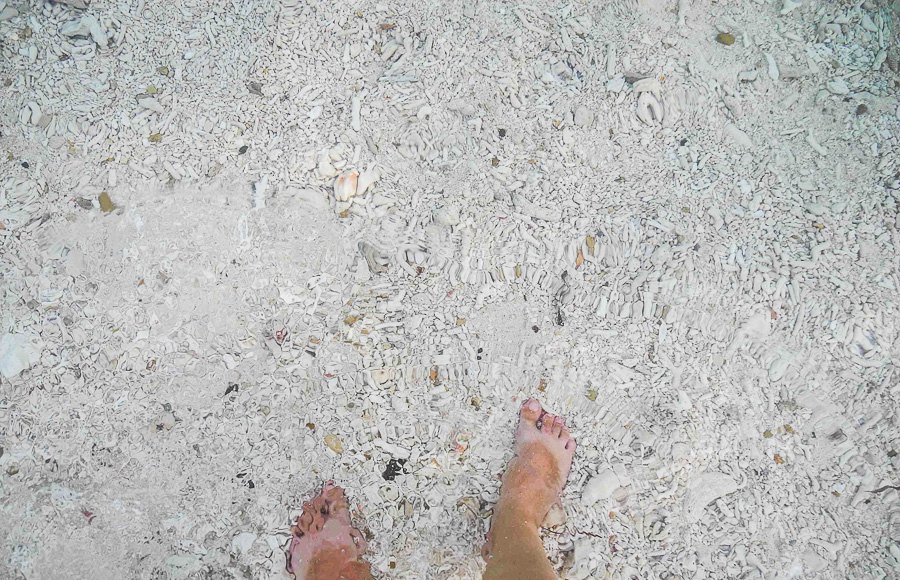
 Though the seabed is strewn with coral fragments:
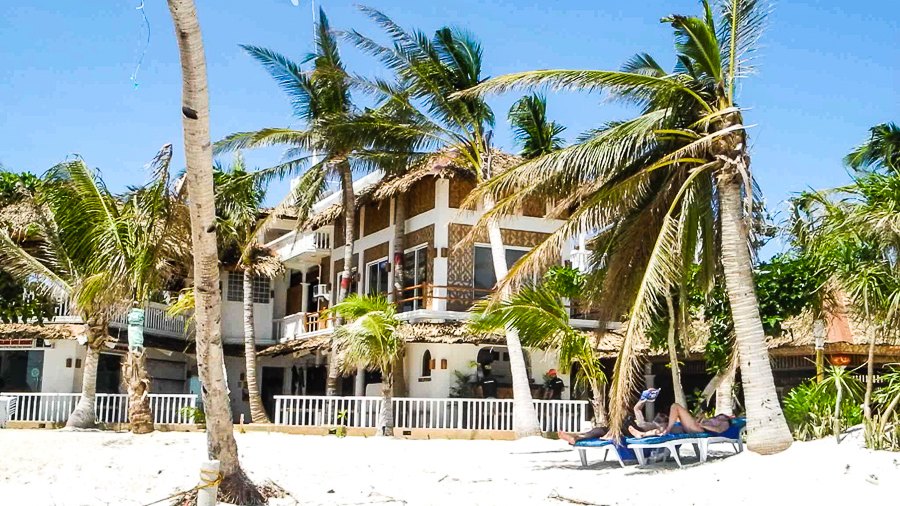
 Beachfront hotels — and sand so white it hurts your eyes:
 Sea, sun and palms — and yet somehow bleak, because the palms were all broken:
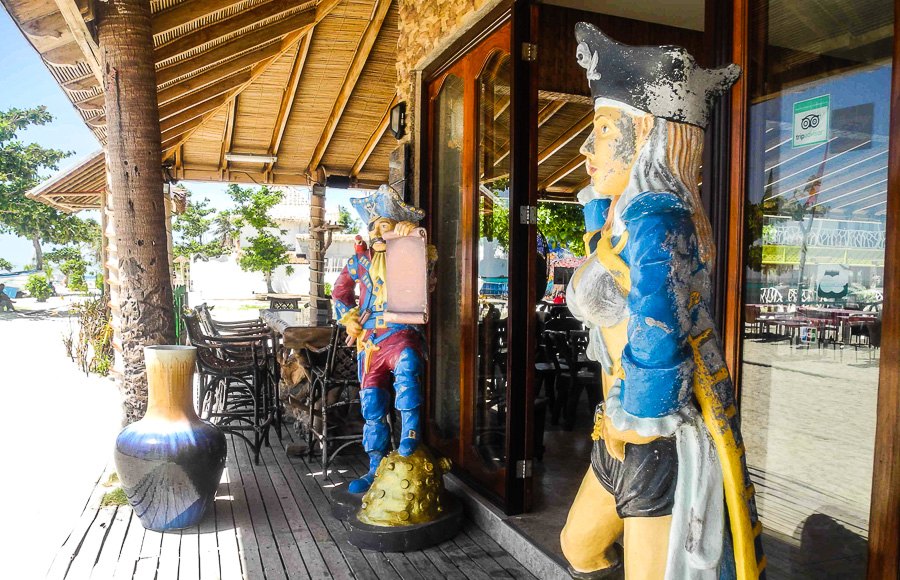
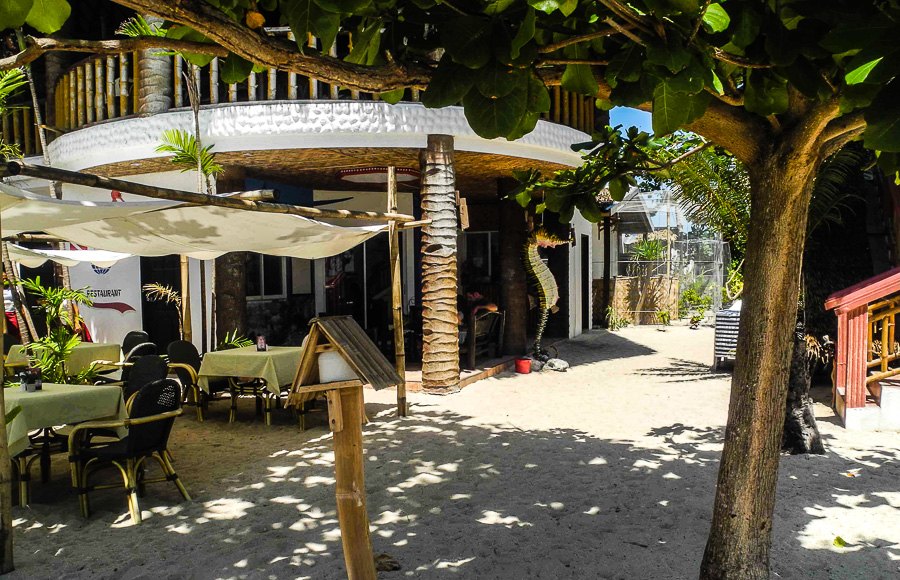
 One of the beach restaurants:
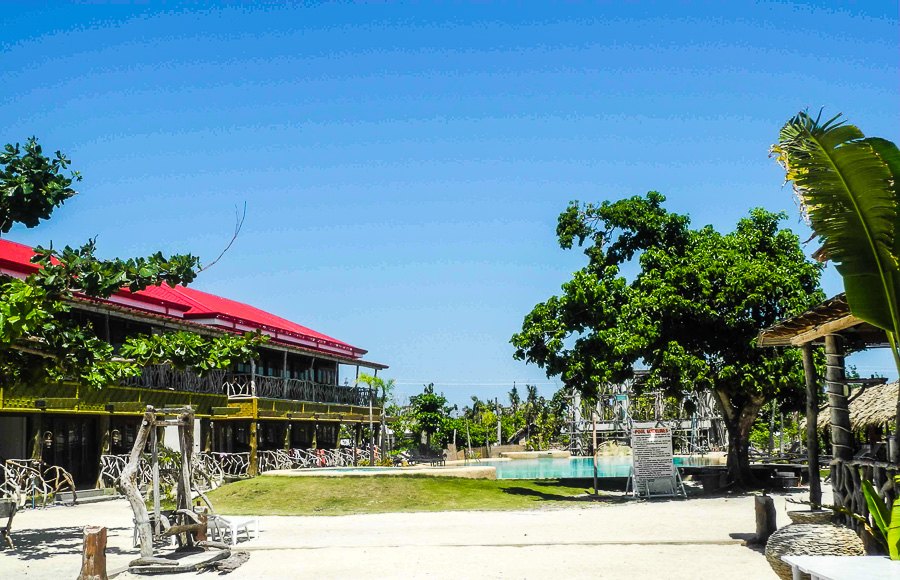
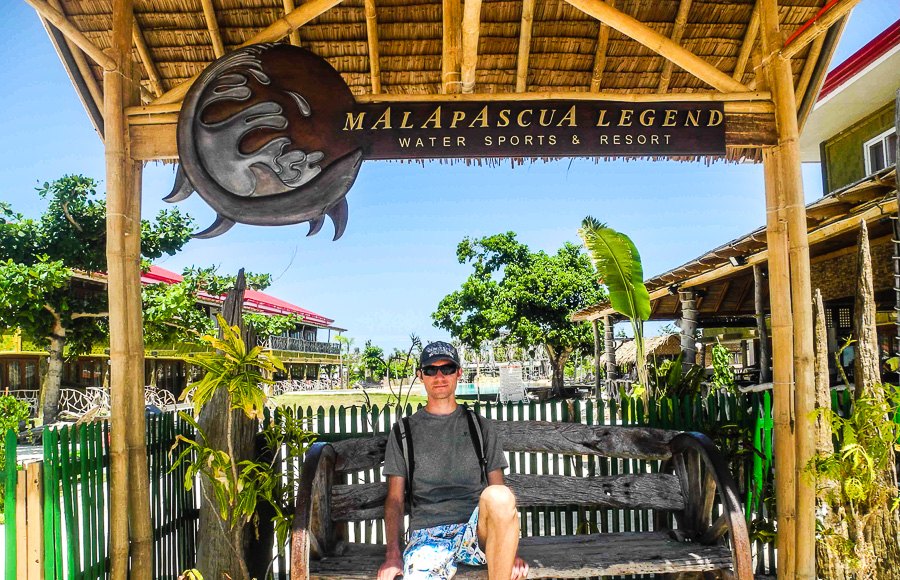 Some places were really quite beautiful — the grounds of the pricier resorts that had managed to rebuild:
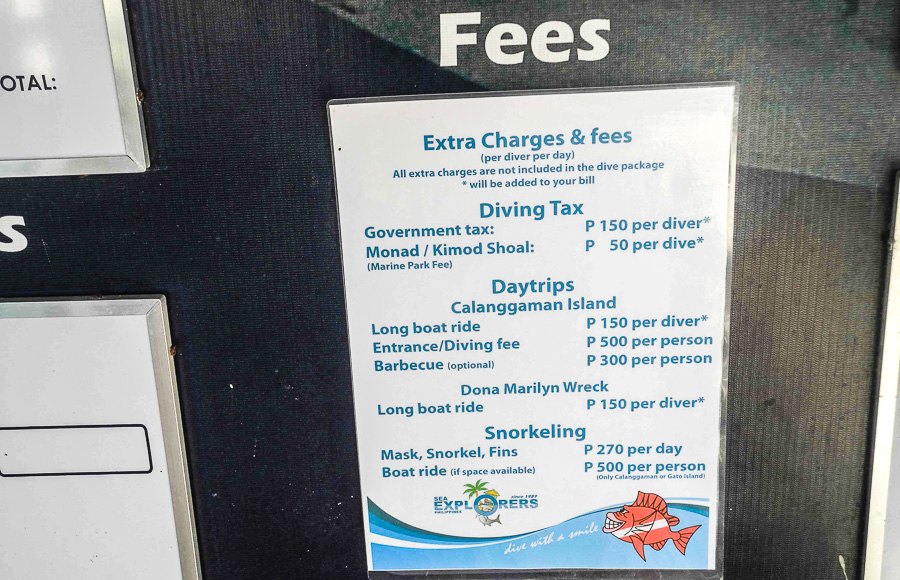
 Malapascua is famous for its diving; usually that’s the only reason people come here — that or a beach holiday. There’s nothing else to do. We were offered diving at every turn; in 2014, when we were there, the prices were these:
Yet somehow I never once came across an article that mentioned the destruction on Malapascua! It turned out that Typhoon Haiyan had hit this island too at the end of 2013. All the residents had been evacuated shortly before the typhoon, and the island with all its buildings was left at the mercy of the elements.
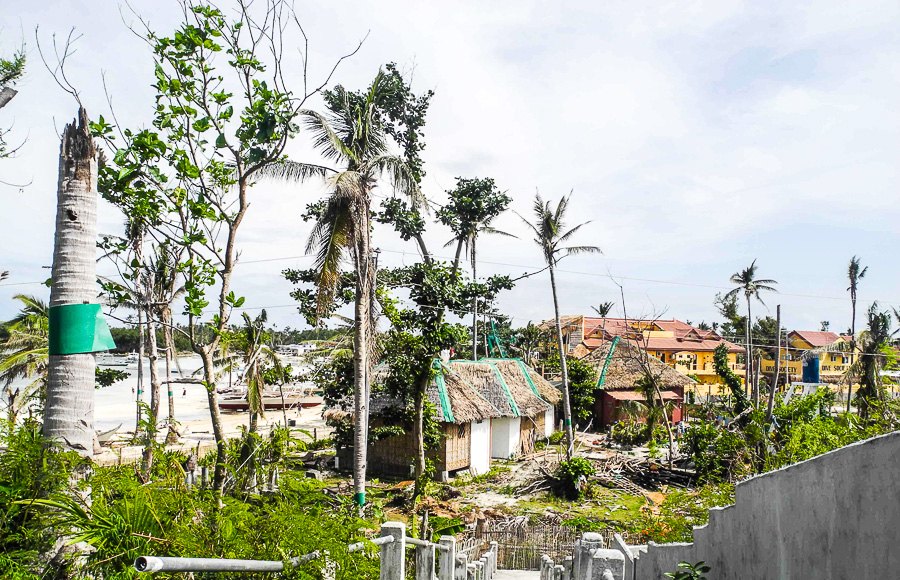
When we set out for our first walk around the island (we had arrived at night, so had seen nothing), what we saw came as a shock. Around 80% of the buildings had been destroyed, and what was intact had mostly just been rebuilt.
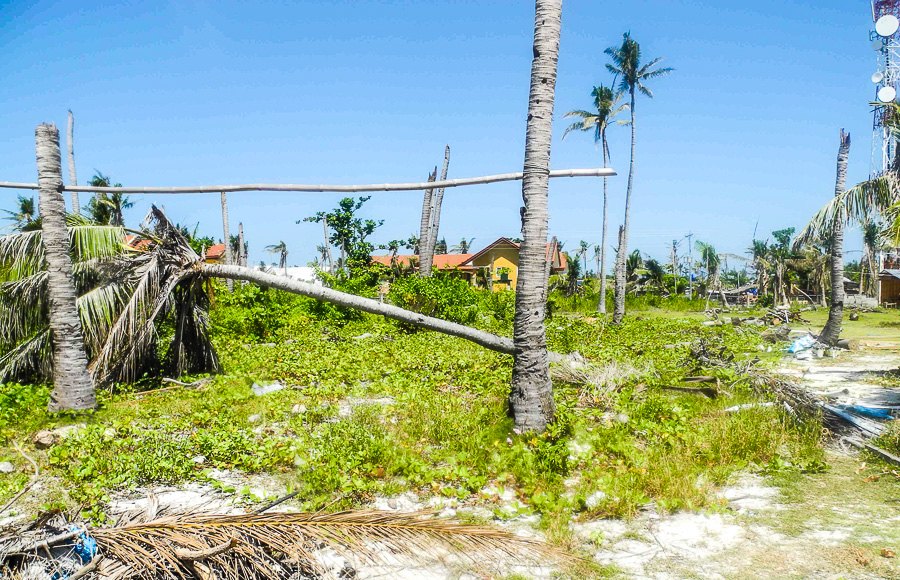
Practically all the palms were broken; the surviving tall ones could be counted on the fingers of one hand.
I can’t even imagine what it was like here during the typhoon — the island is so small. I think a wave could simply have swallowed it whole. Even the corals were all destroyed — no wonder the seabed is covered in them. There’s no sandy bottom at all. So, as it seemed to us then, there wasn’t much for divers to look at either. The dive centres would disagree: the main attraction here is the thresher sharks, and as of 2026 boats run out to them every day.
A couple of surviving palms:
 On the other side of the island:
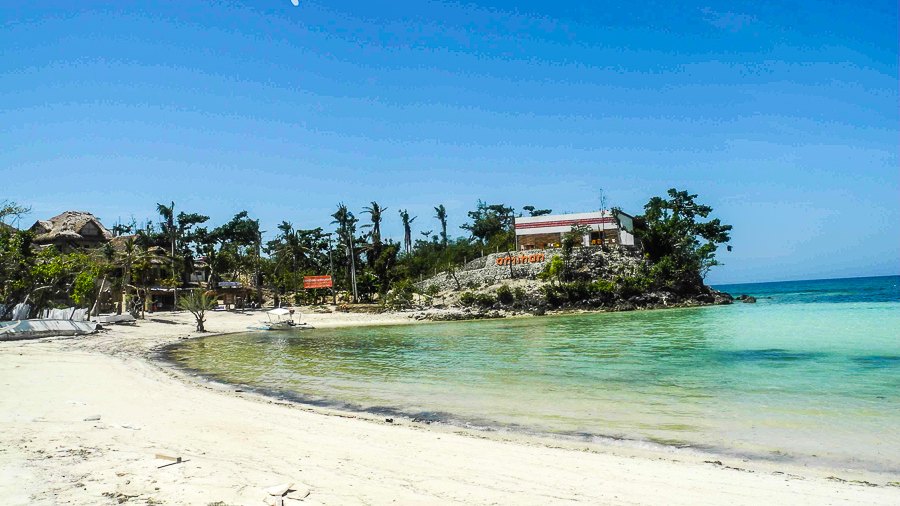 As if it had all been destroyed only yesterday:
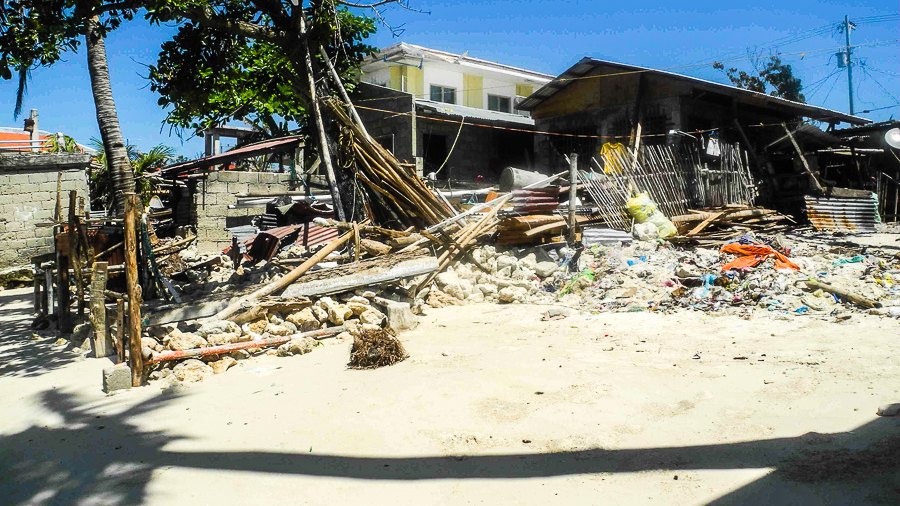 A building flattened completely:
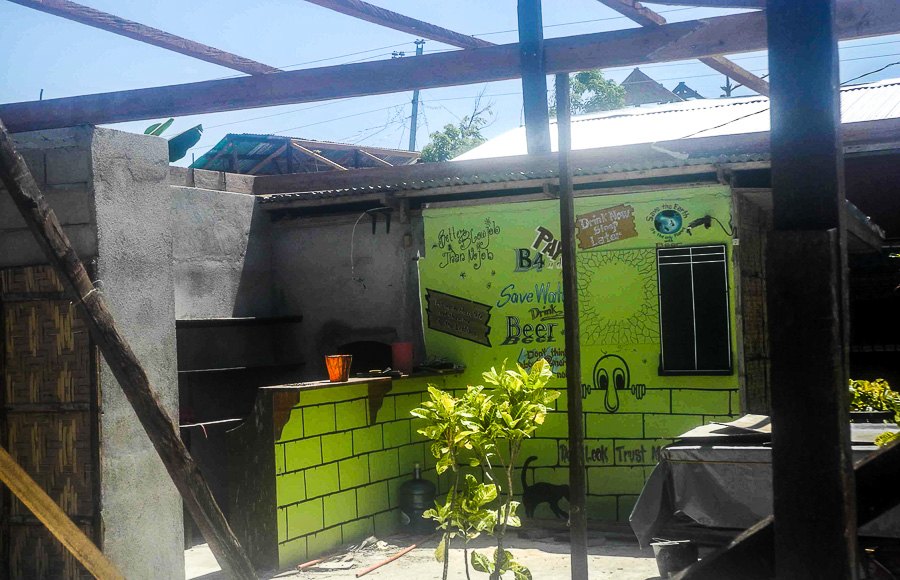
 Only a few walls of the house survived:
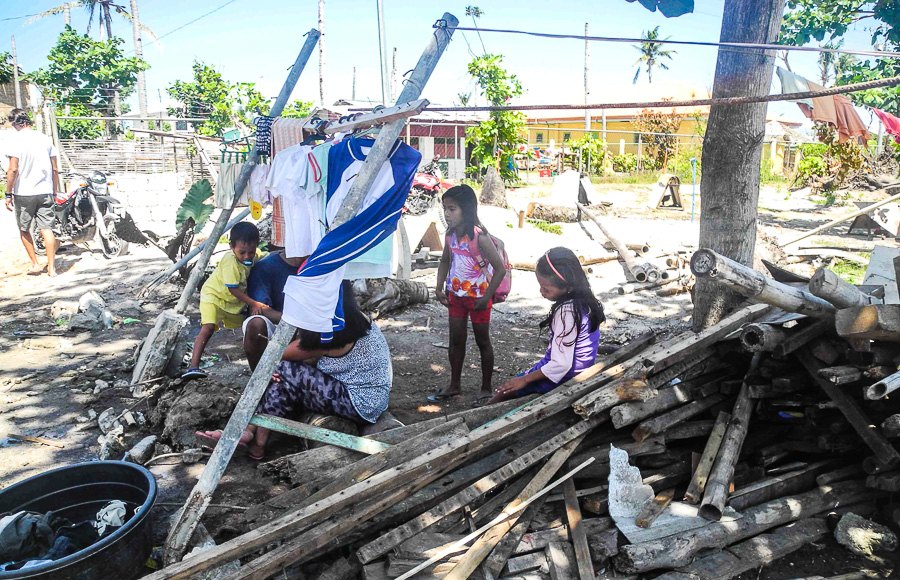
 But life goes on — children playing among the rubble of houses:
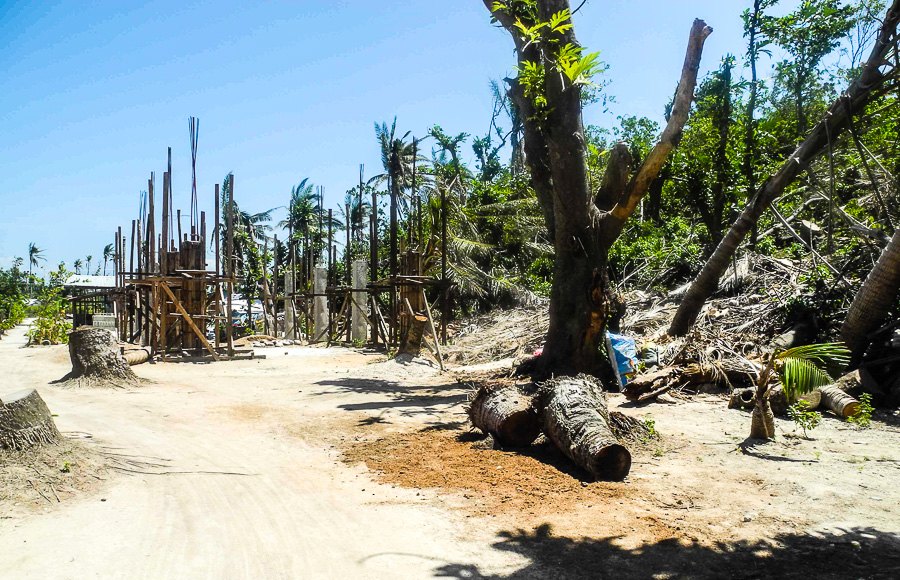
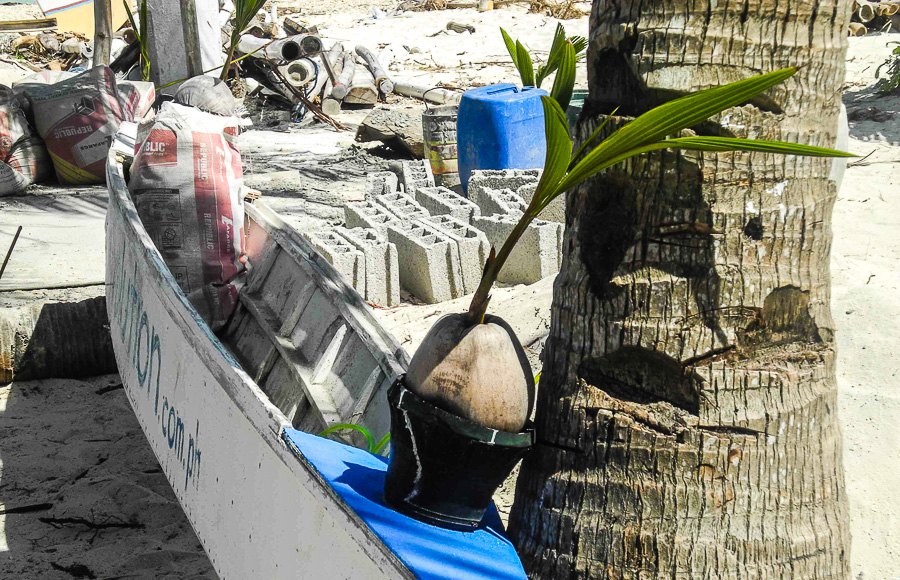
 The island was rebuilding fast — construction everywhere, new palms being planted:
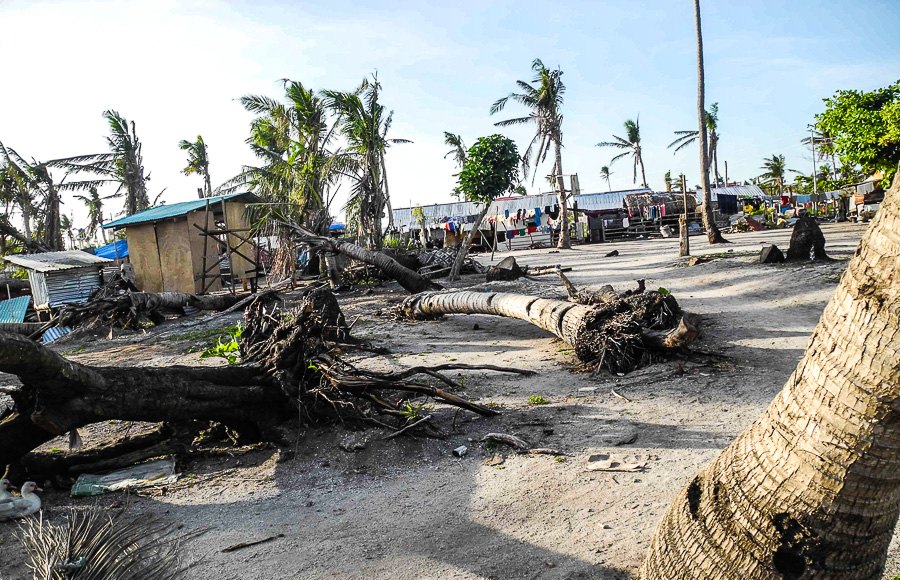
 Palms torn straight out by the roots:
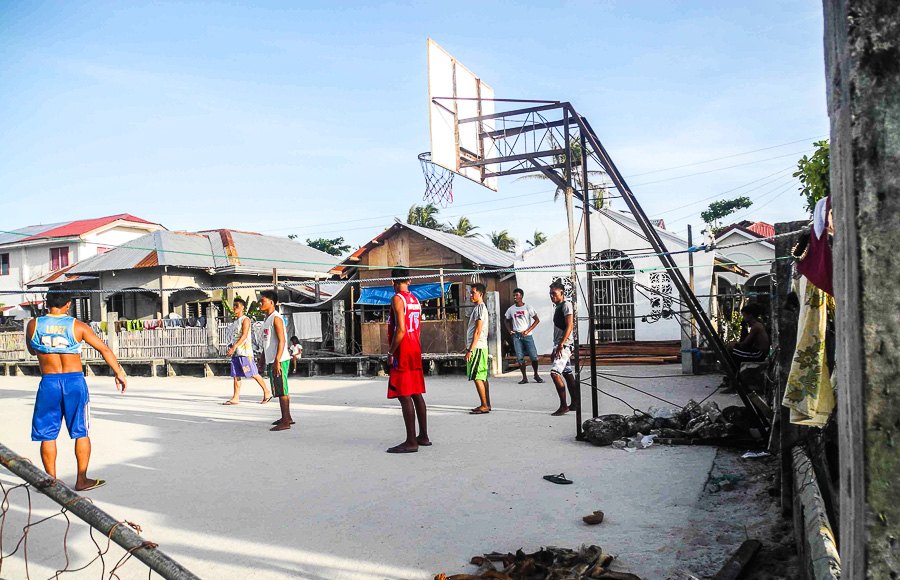
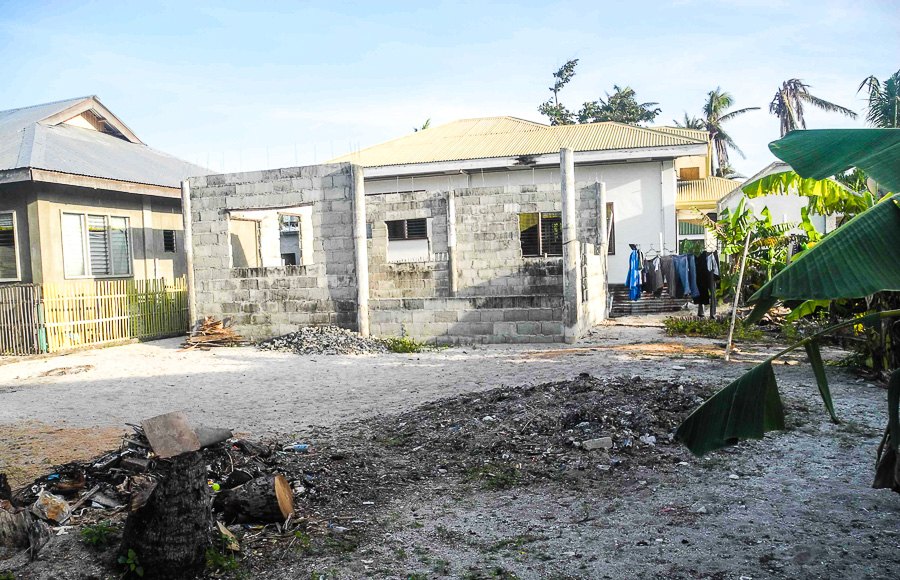 Despite the destruction all around, the basketball court was quickly restored and people were playing their favourite game again (and it’s not the only such court on Malapascua — I’ve written before about Filipinos’ love of basketball).
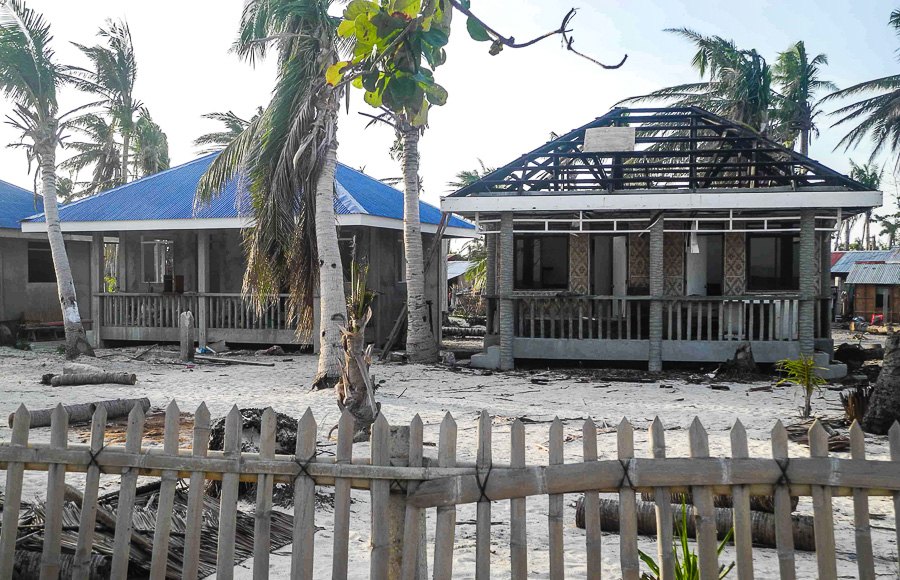
 Beachfront bungalows — some almost rebuilt, some not yet. In the evening these little houses look sinister:
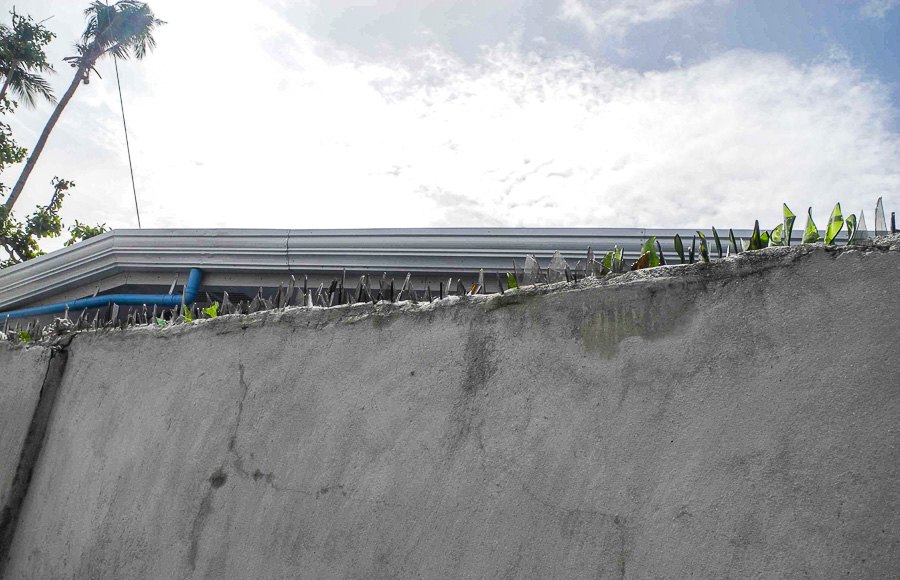
 Strange, but on Malapascua the walls are topped with pieces of glass instead of barbed wire:
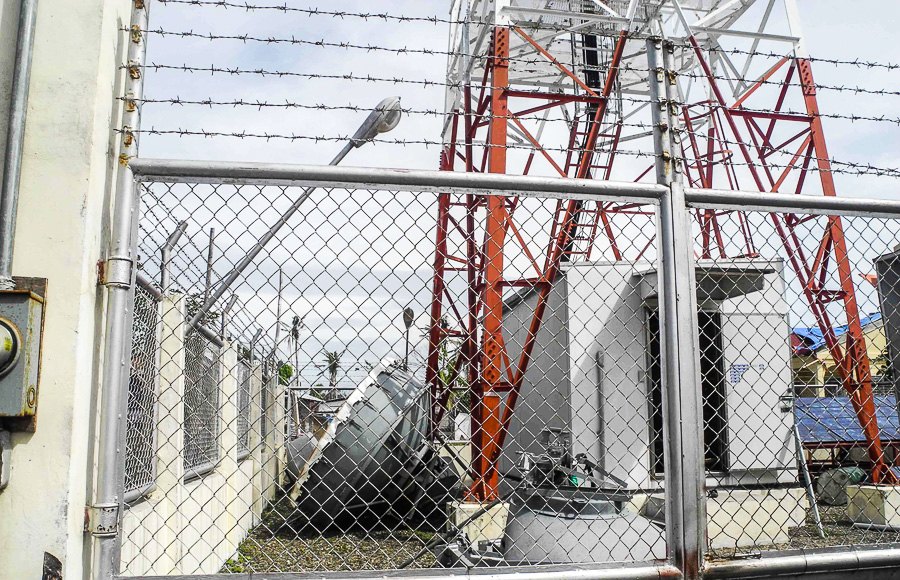
 No mystery about the lack of signal — the antenna is lying on the ground:
 And here is one of the hotels that had managed to rebuild. Still no guests, though.
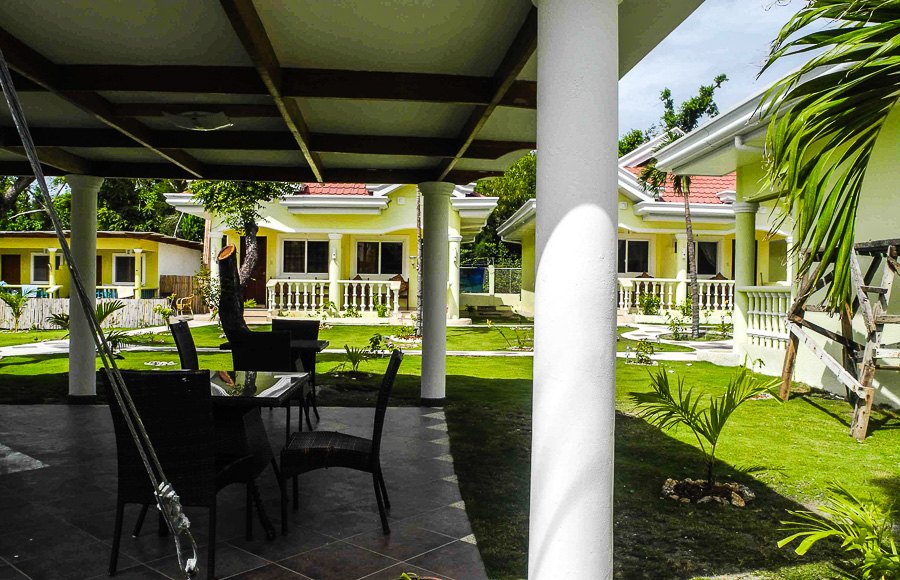 All in all, we saw very few foreigners on the island. Almost all the foreigners who had travelled with us on the boat left a day later. The hotels stood 98% empty back then, yet prices were not reduced.
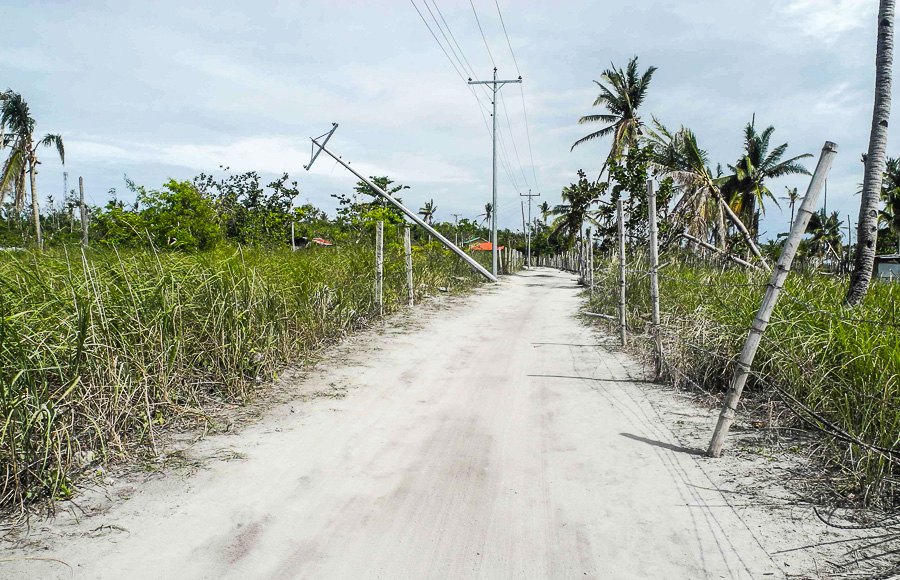
A straw hut is the easiest thing to rebuild, but on the island almost all the housing had been destroyed, whatever it was made of.
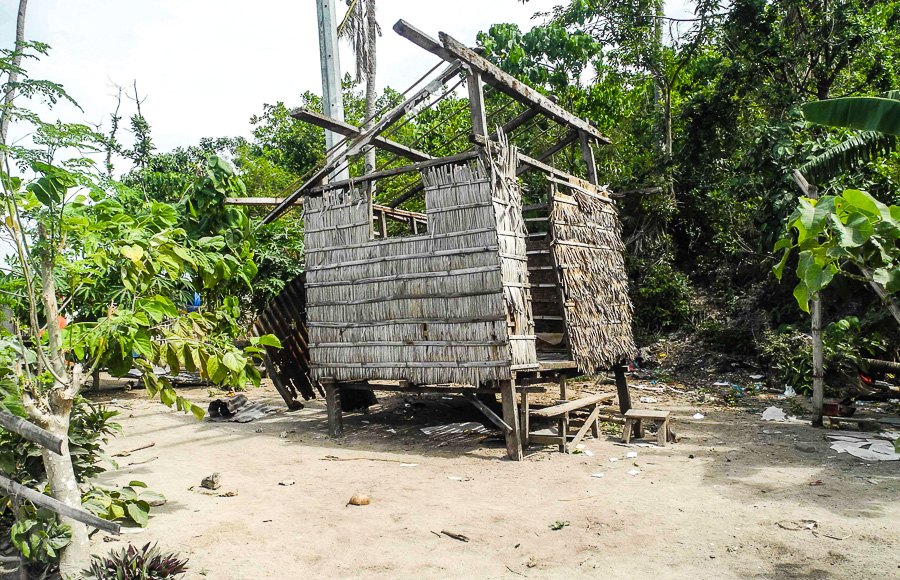 The main road, running across the whole island. For some reason they didn’t raise the broken pole — they just planted a new one beside it:
 For some reason, eggshells have been impaled on the tips of the leaves. Can anyone explain what that’s for?
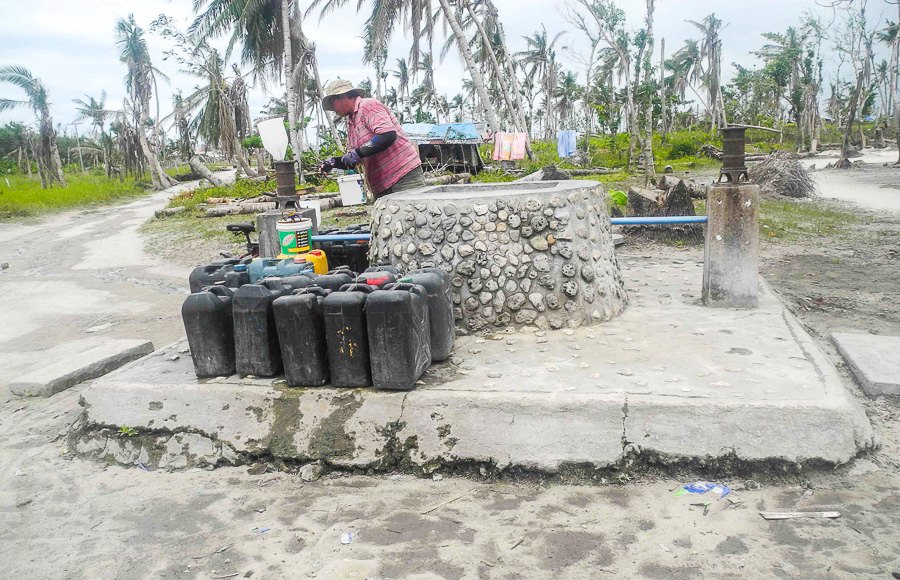
 And here is a source of fresh water. Ko Samet, which is slightly bigger, had no water source.
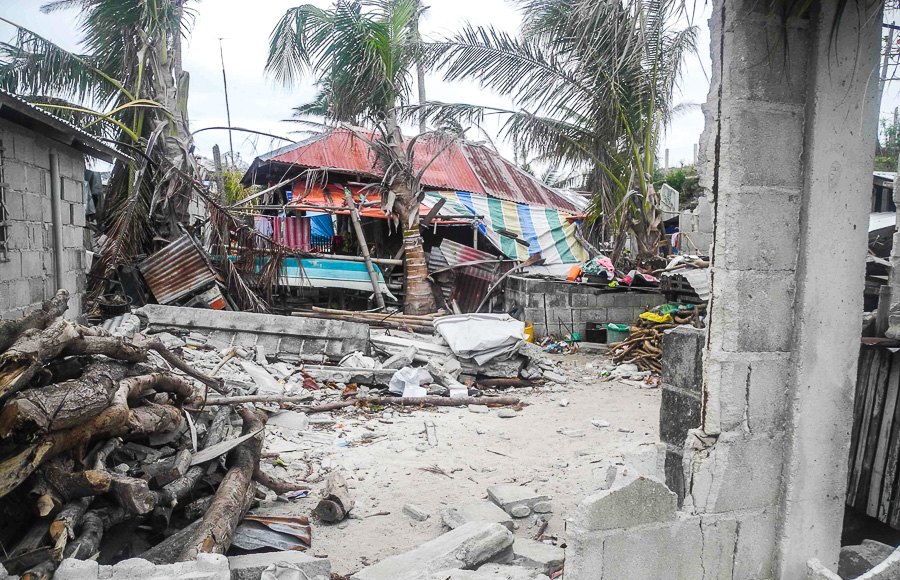
 Sheer devastation:
 On the other side of the island:
 There are no hotels on the other side of the island, only ordinary people’s homes. You can see at once how different the destruction looks. Ordinary residents have no money to rebuild their homes, so they live as they can — at least there’s a roof over their heads…
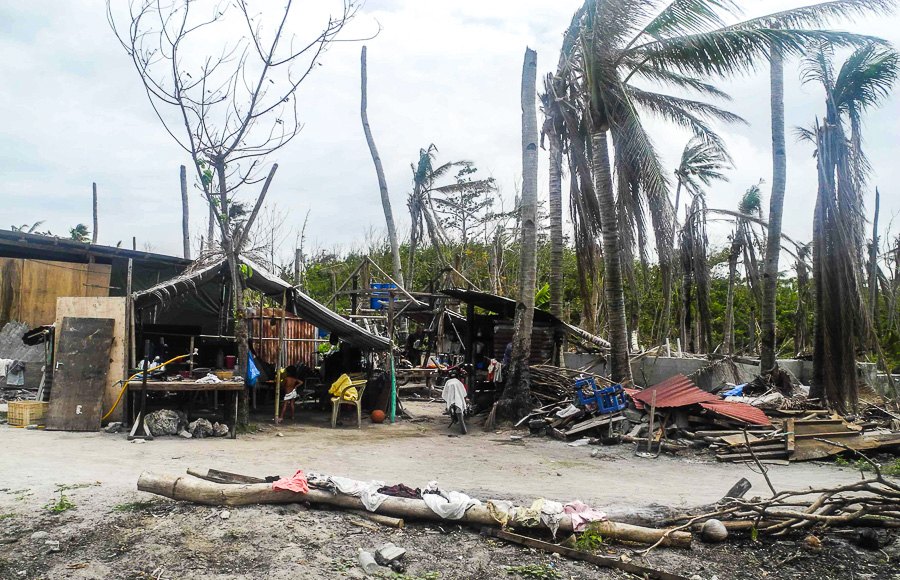 Corals this size lie scattered on the shore:
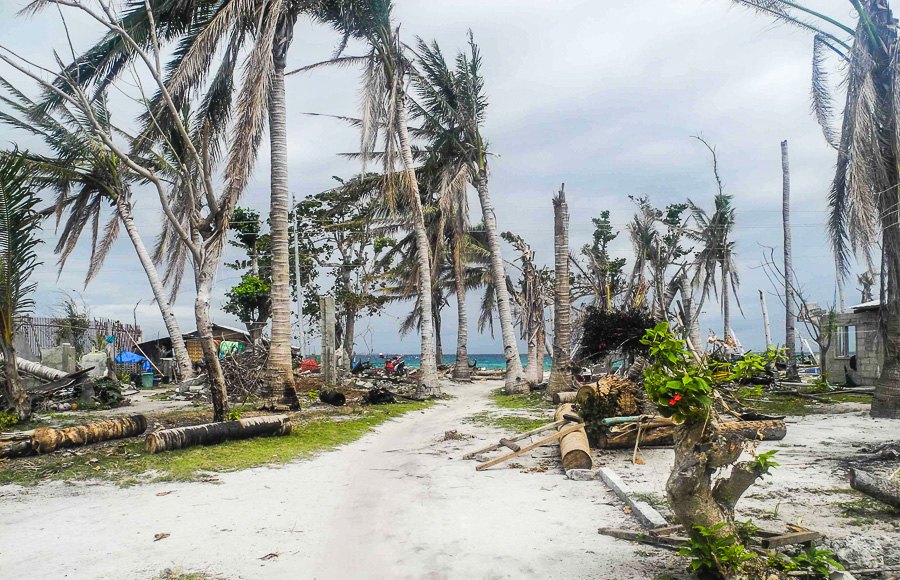
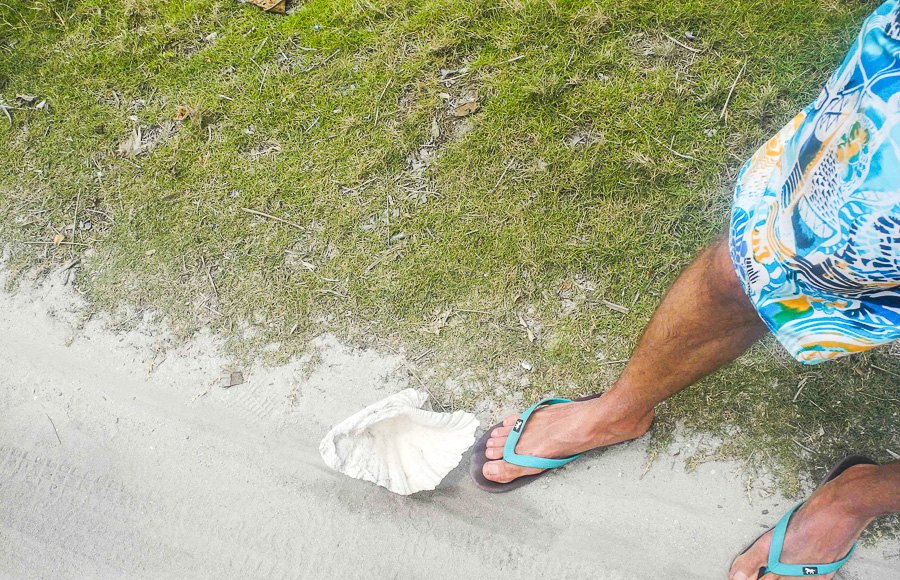 By the time we reached the other beach, the sun had given way to clouds and wind, and it all felt a bit eerie:
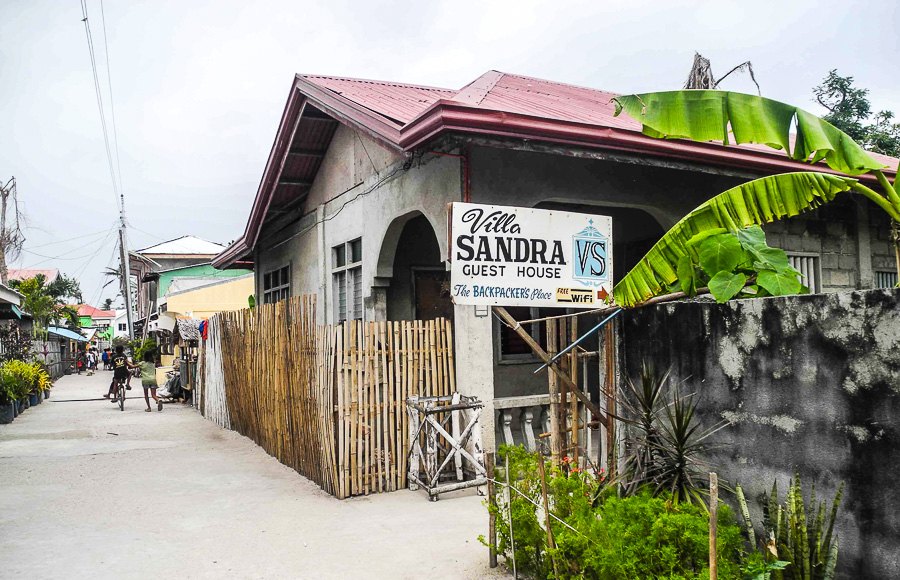
 Some guesthouses had even survived, though the Wi-Fi claims were not to be believed back then — as I said above, there was no internet, two hours a day at most if you caught it somewhere:
 About the food
After our walk around the island, it became clear why foreigners had brought bags of groceries with them. There simply were no proper shops on the island back then. There were a few small stalls with a tiny counter holding biscuits, snacks, sachets of coffee and buns. Maybe two bunches of bananas (and one small banana cost 10 pesos!), a few mangoes, tangerines and apples (all in one small basket). Mangoes, for example, were 120 pesos a kilo (in the centre of the island we found them at 100 pesos). And that’s about it — that’s where the choice of groceries ends. Never mind groceries: I couldn’t even buy shower gel, and that usually sells everywhere.
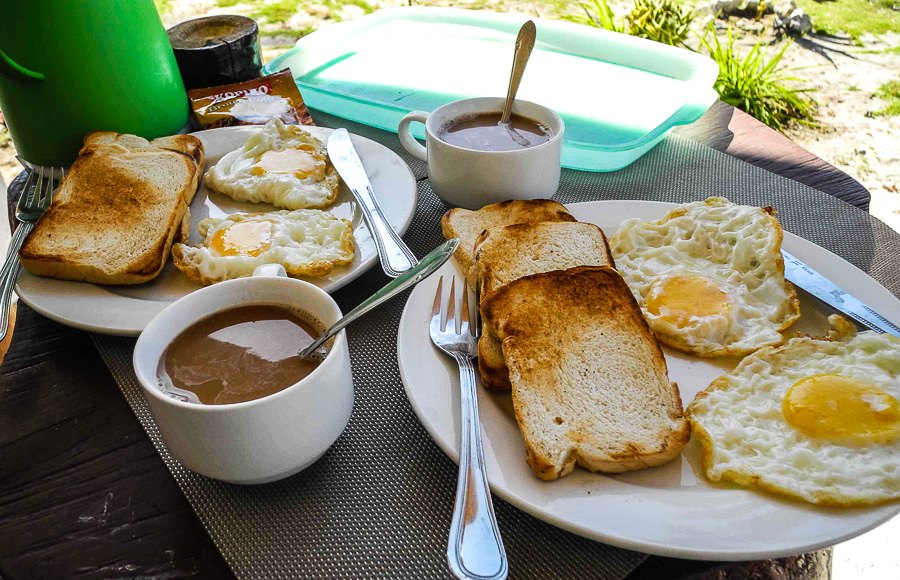
So the breakfasts really saved us (yes, unhealthy, but you need to eat). There were street food carts, but everything on them was meat, so we never even tried them.
We found a little café not far from the hotel (a 20-minute walk) and ate there for the rest of our stay — cheap and tasty (as tasty as it gets in the Philippines; I didn’t much care for the local food):
 One of our orders: I had fish curry with vegetables — tasty, and not even spicy. Vova ordered spaghetti (I can’t remember exactly, but I think the menu said Carbonara 🙂 and received spaghetti with ketchup, sausages, half a boiled egg for some reason (does the egg make it better?) and grated processed cheese. Very strange food, all in all. The tuna sandwich wasn’t what we expected either — inside there was simply tuna and little tomatoes.
At least the plate under the curry was pretty:
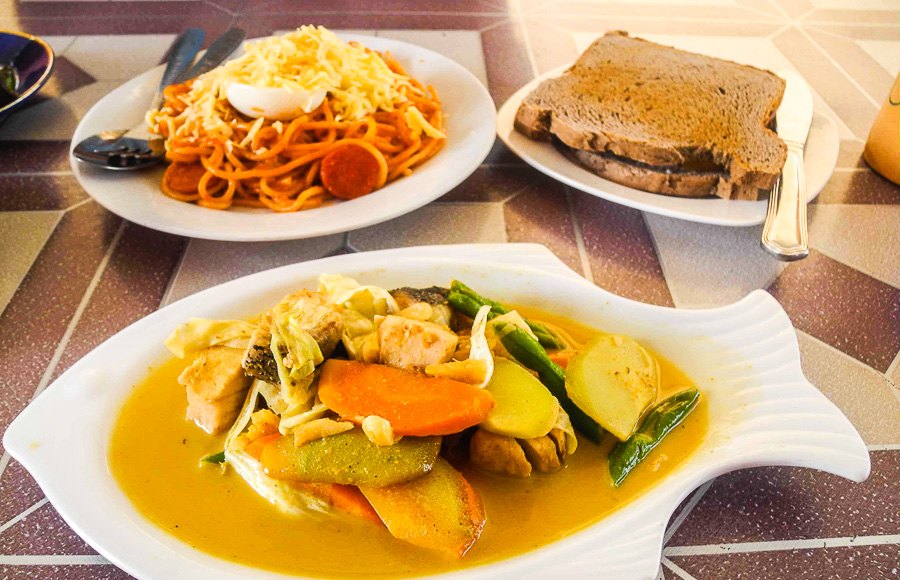 For the food in the photo plus lemon tea and coffee we paid about 300 pesos.
We also tried the food in the cafés on the shore — it tasted worse and cost about twice as much (the Tom Yum, for instance, bore not the slightest resemblance to the Thai soup).
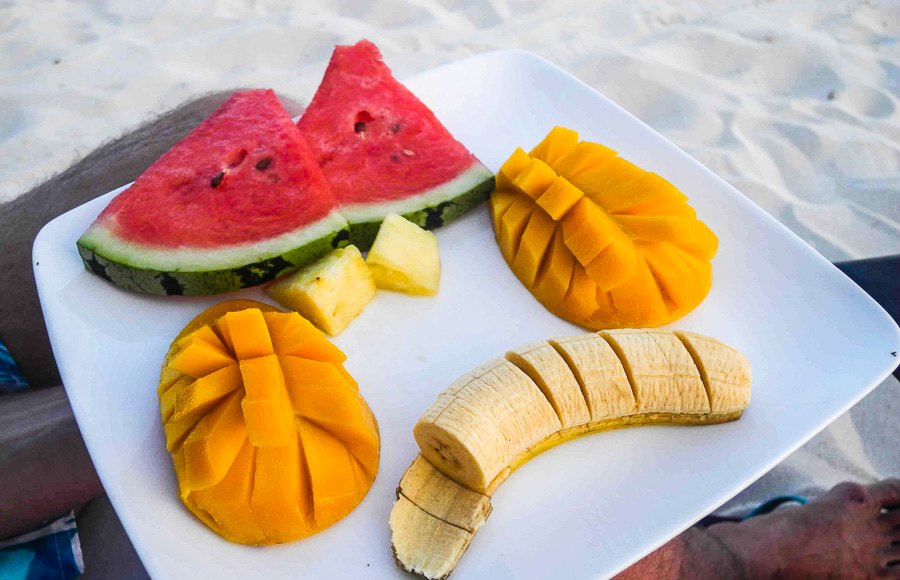
Later, on the shore, we ordered a fruit plate (there were pineapples in the middle of the plate too)
 One of the former shops — only the roof left:
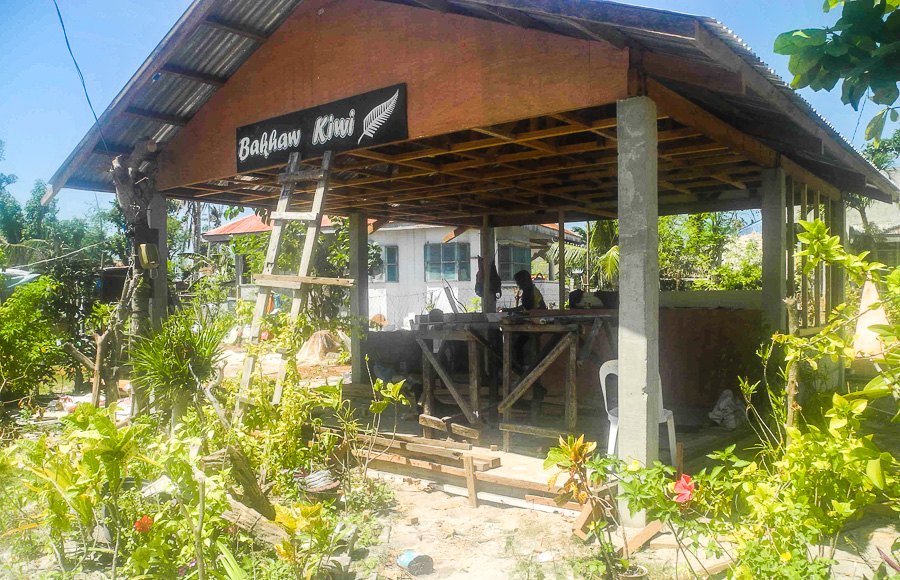 Here and there you come across tents like these — they look like volunteers’ tents:
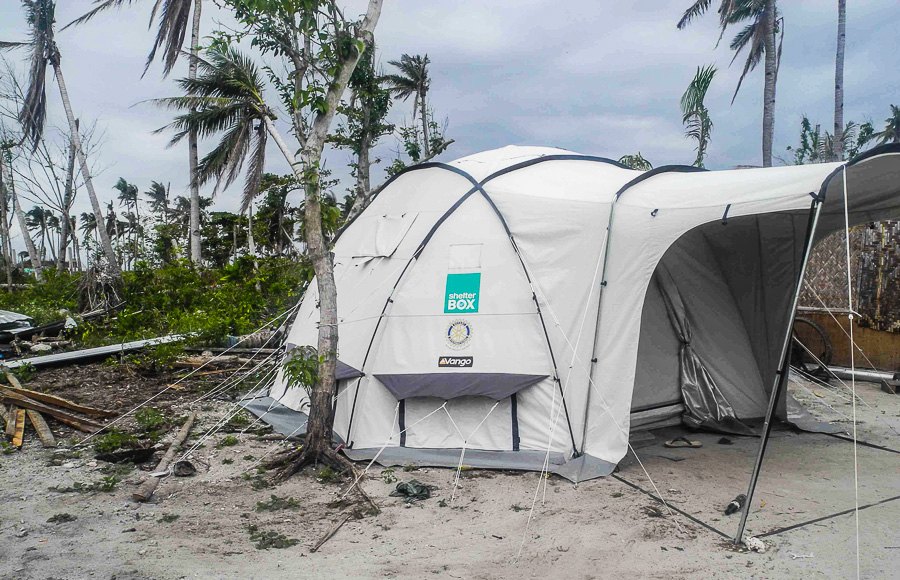 Coming back from the other side of the island, we noticed the locals hurrying off somewhere, and we followed them.
It turned out that once a week humanitarian aid and building materials were brought to the island, and the same boats took away rubble and rubbish.
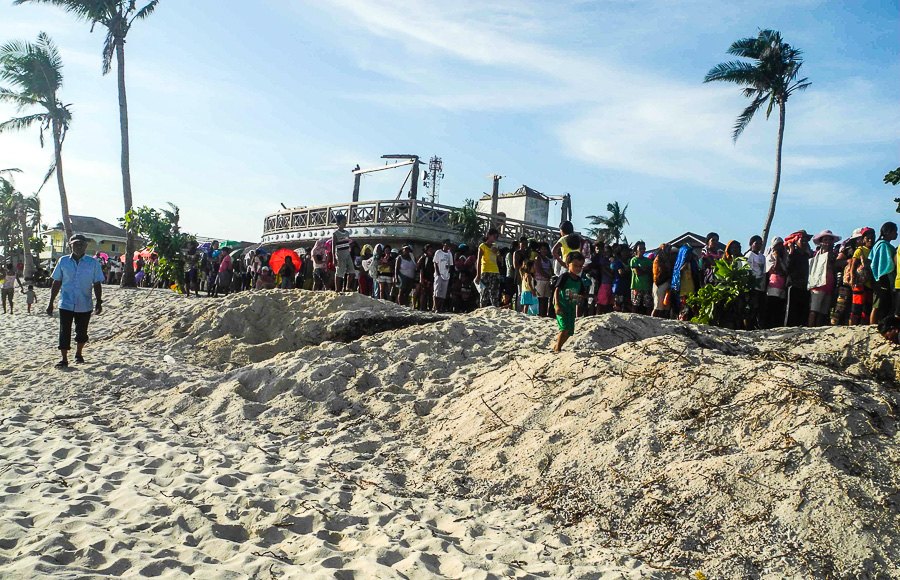
The whole island was here:
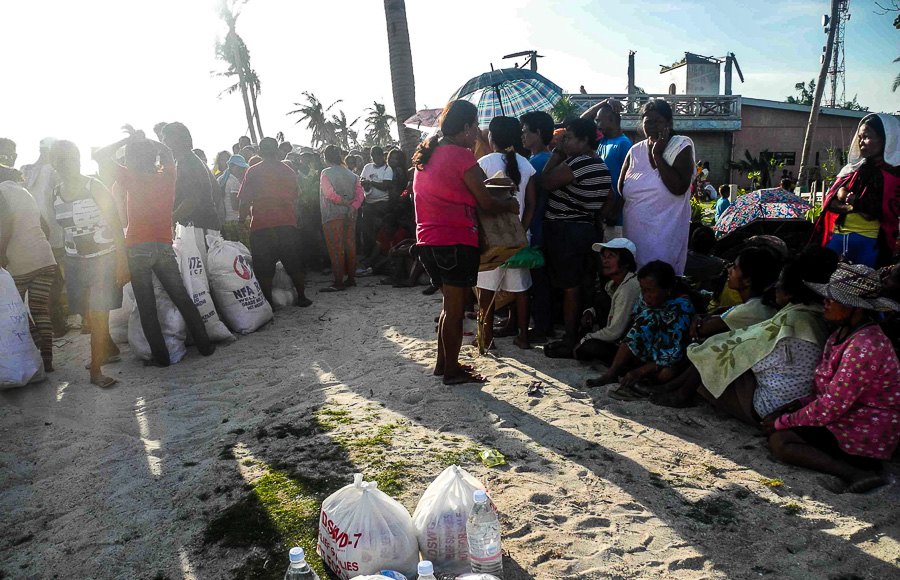 Boxes of humanitarian aid:
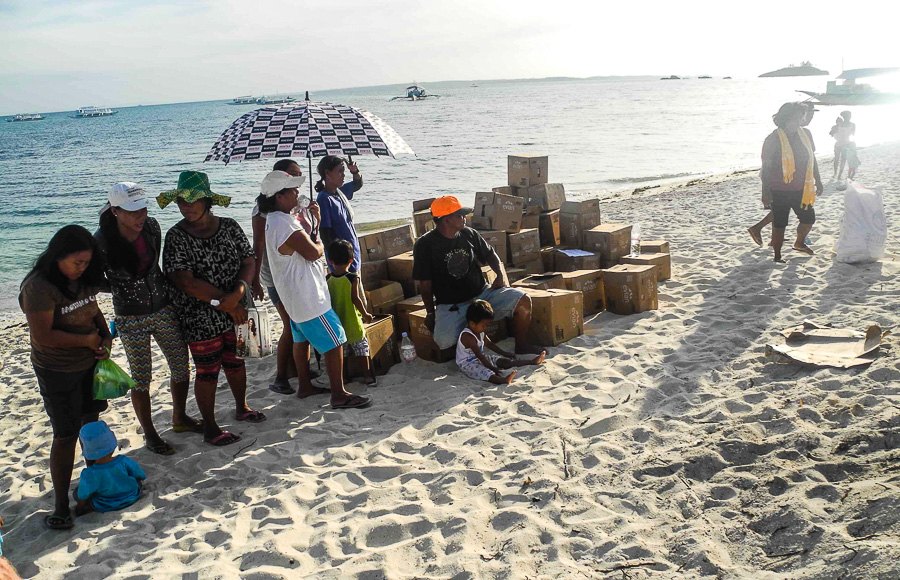 Filipinos formed a huge queue for the humanitarian aid:
 And these are the sunsets on Malapascua:
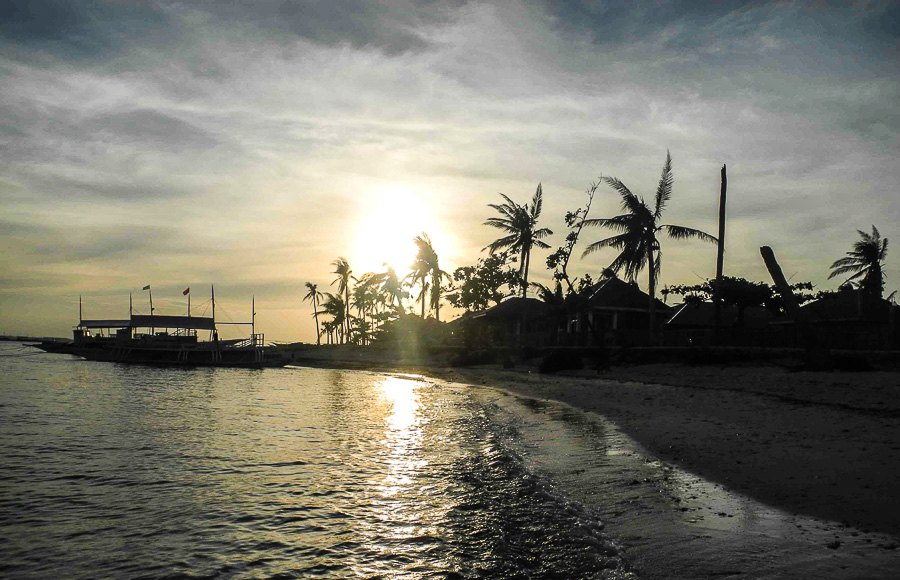 What conclusions did we draw after visiting the island?
-
Perhaps it really was paradise once, but back then it was very sad and at times downright eerie. One night there was a thunderstorm and I could barely sleep all night. I kept thinking a storm was starting and we would simply be swept off the island. When you see all the aftermath of a typhoon right in front of you, it feels as though it will return — a kind of inner fear appears. It was on Malapascua that I realised I don’t want to live by the sea (I used to dream of it), and that it’s better to choose hotels away from the beachfront.
-
Vegetarian food was hard to find back then — food in general, really, as there were practically no shops.
-
The island was recovering very quickly, and back then we predicted that within a couple of years it would be an excellent beach resort again (provided, of course, they cleared the seabed of coral shards). Judging by the fact that in 2026 divers are once again brought here every day and the resorts are operating, that is exactly how it turned out — how to get there is covered in the summary at the start of this article.
-
I’m glad we had this experience, but I wouldn’t go to Malapascua a second time. I enjoyed the journey there far more than the island itself (or rather, what was left of it). I think we should have allowed two days for Malapascua and spent the rest of the time on Bohol — our impressions of it were more positive, and two days there were clearly not enough.